
The Old Money Aesthetic There is something quietly magnetic about a person who walks into a room without trying to impress anyone — and somehow impresses everyone. No logo in sight. No trend on their back. Just a well-cut blazer, worn leather loafers, and the kind of effortless posture that suggests they have never once rushed through a door. That is the old money aesthetic in its purest form.
This is not a new concept, but it has had a remarkable cultural revival in recent years. From Pinterest boards to TikTok feeds, the old money look has captured the imagination of a generation that grew up in a world of fast fashion and loud branding. And yet, the appeal makes complete sense. In an era of excess, restraint feels radical. In a world of noise, quiet confidence speaks volumes.
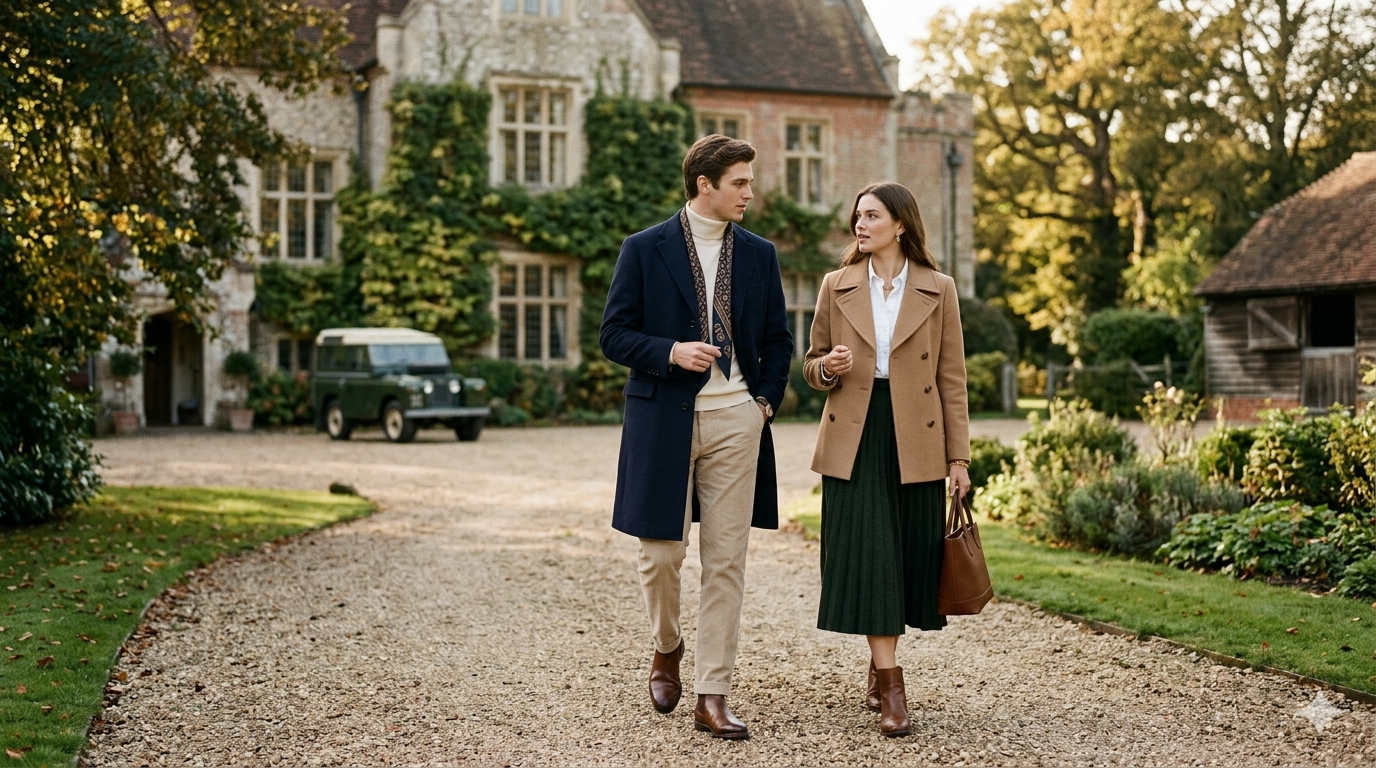
What Is the Old Money Aesthetic, Exactly?
The old money aesthetic is a style philosophy rooted in the idea that true wealth does not need to announce itself. It draws inspiration from the upper-class families of New England, the aristocracy of Europe, and the Ivy League campuses of mid-century America. Think the Kennedys summering on the Cape. Think Grace Kelly walking through Monaco. Think Katharine Hepburn in wide-leg trousers on a Sunday morning.
At its core, the aesthetic values quality over quantity, longevity over trend, and understated elegance over conspicuous consumption. It is the opposite of new money, which tends to favor visible luxury logos, flashy statement pieces, and the kind of dressing that screams financial arrival. Old money dressing whispers. That is precisely what makes it so powerful.
The Key Elements of the Old Money Wardrobe
Building a wardrobe around the old money aesthetic does not require an inheritance. It requires intention.
Invest in neutral, muted tones. The old money color palette leans heavily on ivory, cream, camel, navy, forest green, burgundy, and grey. These shades photograph beautifully, age gracefully, and work together without effort. The idea is that every piece should coordinate with everything else in your closet, eliminating the need for trends to do the heavy lifting.
Prioritize natural fabrics. Cashmere, wool, linen, cotton, and silk are the building blocks of this wardrobe. These materials drape differently — better — than synthetics. They breathe. They have texture and weight. Over time, a well-maintained cashmere sweater or a linen blazer actually improves with age, developing character that no fast-fashion piece ever could.
Choose classic silhouettes. Tailored trousers. Polo shirts. Trench coats. Boat shoes and loafers. Structured handbags without visible branding. Peter Pan collars and pleated skirts for a feminine take. Oxford shirts worn slightly open at the collar. These are silhouettes that have been worn elegantly for decades and will be worn elegantly decades from now.
Wear things slightly oversized. One of the subtle signals of inherited wealth in fashion is the sense that clothes were made before the wearer had to think about them — a father’s blazer, a boarding school sweater. This translates to relaxed fits: trousers with a generous cut, cardigans a size up, shirts that tuck loosely. It looks expensive because it looks unbothered.
The Grooming and Lifestyle Side
The old money aesthetic extends well beyond clothing. It is a full sensibility — a way of moving through the world.
Hair is typically kept natural, clean, and low-maintenance. Think soft waves, simple updos, or well-trimmed cuts that require a good haircut rather than daily product. Makeup, when worn, tends toward the polished rather than the dramatic: a clean complexion, mascara, a nude or classic red lip.
Fragrance matters enormously in this world. The old money approach favors classic, timeless perfumes — often French, often floral or woody — rather than viral celebrity bottles. Something with a history. Something your grandmother might have worn.
The lifestyle element also includes a distinct relationship to leisure. Reading, sailing, equestrian activities, tennis, long walks, and travel to culturally rich destinations all feel native to this aesthetic. There is an emphasis on cultivating the mind and the body through slow, meaningful activity rather than spectacle.
Why the Old Money Aesthetic Resonates So Deeply Right Now
It would be easy to dismiss the old money revival as nostalgia or escapism. But something more interesting is happening.
Many people, particularly younger generations, are exhausted by the performative nature of modern consumer culture. The pressure to keep up with micro-trends, to dress for social media, to display wealth or aspiration through labels — it is genuinely tiring. The old money aesthetic offers an alternative framework: dress well once, dress well always. Buy less. Choose better. Stop chasing.
There is also a quiet ethical undercurrent to this philosophy. Choosing quality over quantity naturally pushes back against the environmental damage of fast fashion. Buying a single great coat that lasts twenty years is, whether intentionally or not, a more sustainable choice than buying five cheap ones in the same period.
And then there is the psychological dimension. There is real confidence that comes from dressing with intention — from knowing that what you are wearing is right, not because a trend says so, but because it is simply well-made and well-chosen. That confidence is visible. People feel it in a room.
Building Your Own Old Money Look on Any Budget
The most important thing to understand is that the old money aesthetic was never really about money at all. It is about curation and restraint.
Start by clearing out anything that feels loud, trendy, or disposable. Then begin building from a base of quality basics: a white button-down, a navy blazer, a pair of well-fitting trousers, a leather belt, a simple structured bag. Thrift stores and consignment shops are extraordinary resources here — a cashmere sweater from a charity shop is still cashmere.
Learn the difference between a well-made garment and a poorly made one. Check seams. Feel weight. Look at how fabric sits on your shoulders. These are skills worth developing, and they will save you money in the long run by preventing impulsive, regrettable purchases.
Above all, wear things repeatedly and without apology. The old money mindset has no relationship with shame around re-wearing. Quite the opposite — being seen in the same blazer three times signals that you bought it because you loved it, not because you needed to perform novelty.
The Quiet Revolution of Dressing Well
The old money aesthetic is, at bottom, a philosophy of enough. Enough quality. Enough intention. Enough confidence to stand still in a world that never stops moving.
It is a look that rewards patience, discourages impulsiveness, and ages beautifully — just like the people who wear it best.
About The Author