Skip to content
Does Lolita Fashion Trace Back to Goth Culture? Fashion is more than just clothing—it’s a form of self-expression, identity, and sometimes even rebellion. If you’ve ever come across Lolita fashion, with its frilly dresses, lace details, and doll-like aesthetic, you might have wondered: Is this style connected to goth culture?
It’s a fair question. At first glance, some versions of Lolita fashion—especially darker ones—do seem to overlap with gothic styles. But the reality is a bit more nuanced.
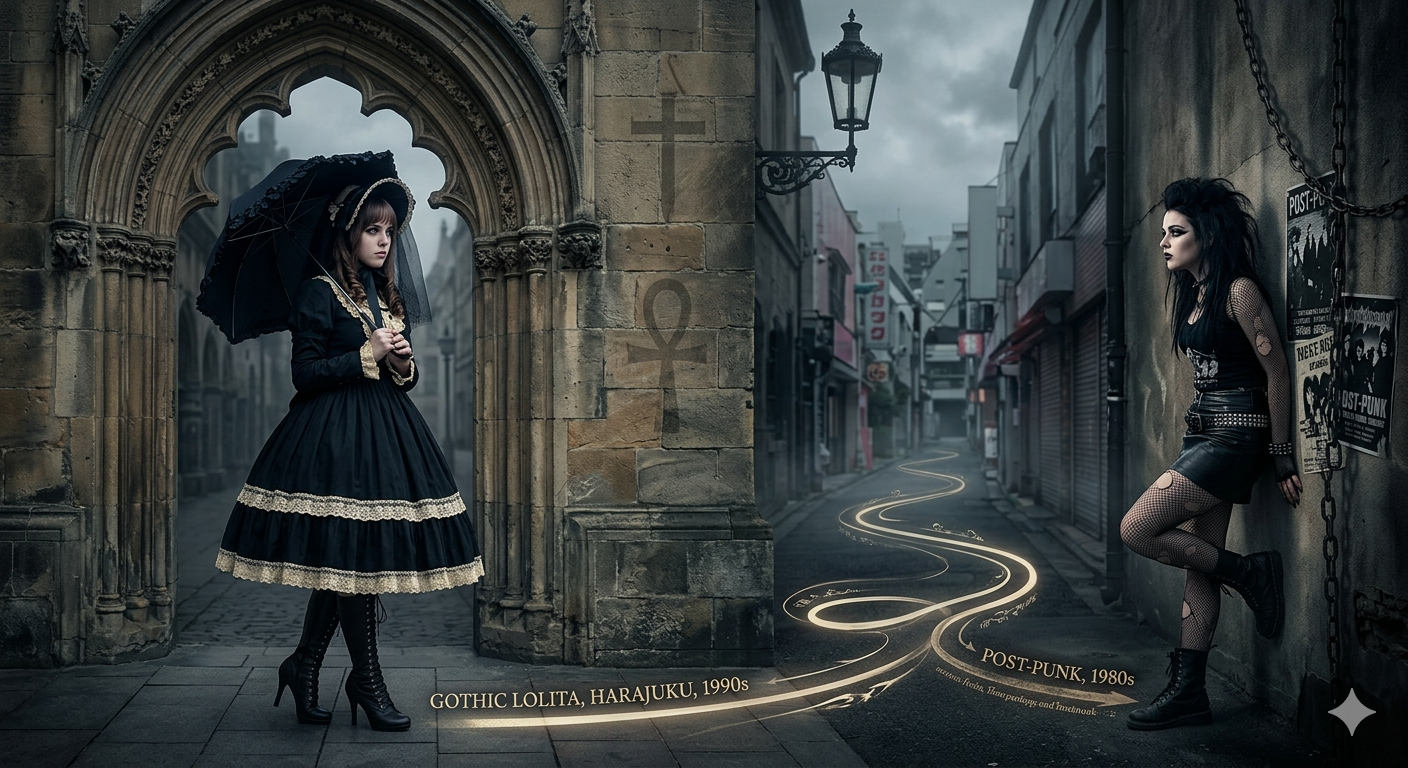
Let’s break it down in a simple, human way.
What Is Lolita Fashion?
Lolita fashion originated in Japan during the late 20th century, particularly in the 1980s and 1990s. It was heavily inspired by Victorian and Rococo-era clothing, focusing on modesty, elegance, and intricate detail.
The key elements of Lolita fashion include:
- Puffy knee-length skirts
- Lace, ribbons, and bows
- High-neck blouses
- Petticoats for volume
- Doll-like shoes and accessories
The overall vibe? Think of a porcelain doll or a historical European painting brought to life.
But here’s the important part: Lolita fashion is not about being “cute” in a childish way—it’s about reclaiming elegance and individuality.
What Is Goth Culture?
Goth culture, on the other hand, emerged in the late 1970s and early 1980s, mainly in the UK. It evolved from the post-punk music scene and is closely tied to darker themes such as:
- Mystery
- Melancholy
- Romanticism
- The supernatural
Goth fashion typically includes:
- Black clothing
- Dark makeup
- Leather, lace, and velvet
- Dramatic hairstyles
While it also draws inspiration from Victorian aesthetics, the tone is much darker and moodier.
Where the Confusion Comes From
Now here’s where things get interesting.
There is a substyle of Lolita fashion called Gothic Lolita. This is probably why many people assume Lolita fashion comes from goth culture.
Gothic Lolita combines:
- The structure of Lolita fashion
- The dark color palette of goth style
So you’ll see black dresses, crosses, dark lace, and sometimes even dramatic makeup—but still in a soft, doll-like silhouette.
Because of this blend, it’s easy to think one evolved from the other. But that’s not entirely true.
Did Lolita Fashion Come From Goth Culture?
Short answer: No, Lolita fashion does not trace back to goth culture.
Here’s why:
1. Different Origins
Lolita fashion developed in Japan as a reaction against modern fashion trends that emphasized revealing or body-hugging clothing. It was about modesty and individuality.
Goth culture, meanwhile, grew out of a music movement in the West. Its roots are more about artistic expression tied to sound, mood, and subculture.
2. Different Intentions
Lolita fashion focuses on:
- Elegance
- Femininity
- Fantasy
Goth culture focuses on:
- Darkness
- Emotion
- Rebellion
Even when they look similar, their intentions are very different.
3. Gothic Lolita Is a Fusion, Not a Foundation
Gothic Lolita came after both styles already existed. It’s essentially a crossover, not the origin point.
Think of it like mixing two colors—you get something new, but that doesn’t mean one color came from the other.
How They Are Similar
Even though they’re not directly related, there are some overlaps:
- Both use Victorian-inspired elements
- Both value individual expression
- Both reject mainstream fashion norms
This shared love for historical fashion is what creates the visual connection.
Modern Influence and Pop Culture
Today, both Lolita fashion and goth culture have spread globally. Social media platforms like Instagram and TikTok have helped these styles reach wider audiences.
Interestingly, many people mix elements from both styles to create unique looks. You might see someone wearing a Lolita dress with goth makeup—or the opposite.
And honestly, that’s the beauty of fashion today: rules are flexible.
Final Thoughts
So, does Lolita fashion trace back to goth culture?
Not really.
While they may look similar in certain forms—especially in Gothic Lolita—their origins, meanings, and cultural backgrounds are completely different.
Lolita fashion is rooted in elegance, modesty, and historical inspiration. Goth culture is rooted in music, emotion, and darker aesthetics.
That said, the overlap between the two has created some truly stunning fashion hybrids.
And at the end of the day, whether you lean more toward lace and pastels or black velvet and dramatic eyeliner, the goal is the same:
To express who you are—boldly and unapologetically.
About The Author