
Essay on Fashion Among Students in Punjabi Language: Fashion is no longer just about putting on clothes and stepping out of the house. Over the years, it has grown into something much bigger — a way of expressing who you are, where you belong, and even what you believe in. Among students, this shift has been especially dramatic. Walk into any school or college today, and you will instantly notice how much thought young people put into the way they look. From the style of their jeans to the brand on their shoes, everything feels deliberate. But is all of this attention to fashion a good thing, or are students losing track of what truly matters?
This essay explores the growing trend of fashion among students — particularly in the context of Punjab — and looks at both its positive and negative sides. Most importantly, it asks a simple but important question: can students enjoy fashion without letting it harm their studies, values, or finances?
What Is Fashion?
Before we judge fashion as good or bad, it helps to understand what it actually means. Fashion is the way a person chooses to present themselves — through clothing, hairstyle, accessories, shoes, and even their overall attitude. It is not only about expensive brands or designer outfits. Sometimes, the simplest, most affordable look can be the most stylish one.
For students, fashion often becomes a way of fitting in. It is how they connect with their friends, signal their identity, and feel confident in social settings. In a world where first impressions matter, how you look plays a bigger role than most adults like to admit.
Why Are Students So Drawn to Fashion?
There are several reasons why fashion has become such a major topic in student life, and most of them are fairly easy to understand.
Social Media Influence: Platforms like Instagram, YouTube, and Snapchat are filled with fashion content every single day. Students scroll through these feeds and naturally want to try the trends they see. Influencers and celebrities make it look effortless, and young people want a piece of that confidence.
Peer Pressure: When a classmate shows up in a new outfit and gets compliments, others notice. Nobody wants to feel left out, so students often follow the same trends just to stay relevant in their social circle.
Bollywood and Pop Culture: In Punjab especially, Bollywood films and Punjabi music videos have a massive influence. Students copy the looks of their favourite actors and singers without a second thought.
A Desire for Identity: Teenage years are when most people are figuring out who they are. Fashion becomes one of the easiest tools to define that identity — even if temporarily.
The Positive Side of Fashion Among Students
Fashion is not entirely negative, and it would be unfair to paint it that way. When approached sensibly, it offers real benefits.
Boosts Self-Confidence: When a student feels good about how they look, it naturally builds their confidence. A confident student participates more in class, speaks up in discussions, and carries themselves better in public settings.
Creates a Positive First Impression: Whether it is a job interview, a college entrance presentation, or a cultural event, how a student is dressed leaves a lasting impression on others.
Encourages Creativity: Fashion, at its best, is a form of art. Students who take it seriously often develop an eye for colour, proportion, and design — skills that can later translate into careers in fashion design, photography, or media.
The Negative Side of Fashion Among Students
Unfortunately, when fashion becomes an obsession, it starts doing more harm than good. Here are some serious concerns worth highlighting.
Neglect of Studies: Some students spend more time planning outfits and shopping online than focusing on their coursework. When fashion takes priority over education, it can seriously damage academic performance.
Financial Burden on Families: Branded clothes, trendy accessories, and the latest sneakers are expensive. Many students pressure their parents into spending money the family cannot really afford, just to keep up with trends.
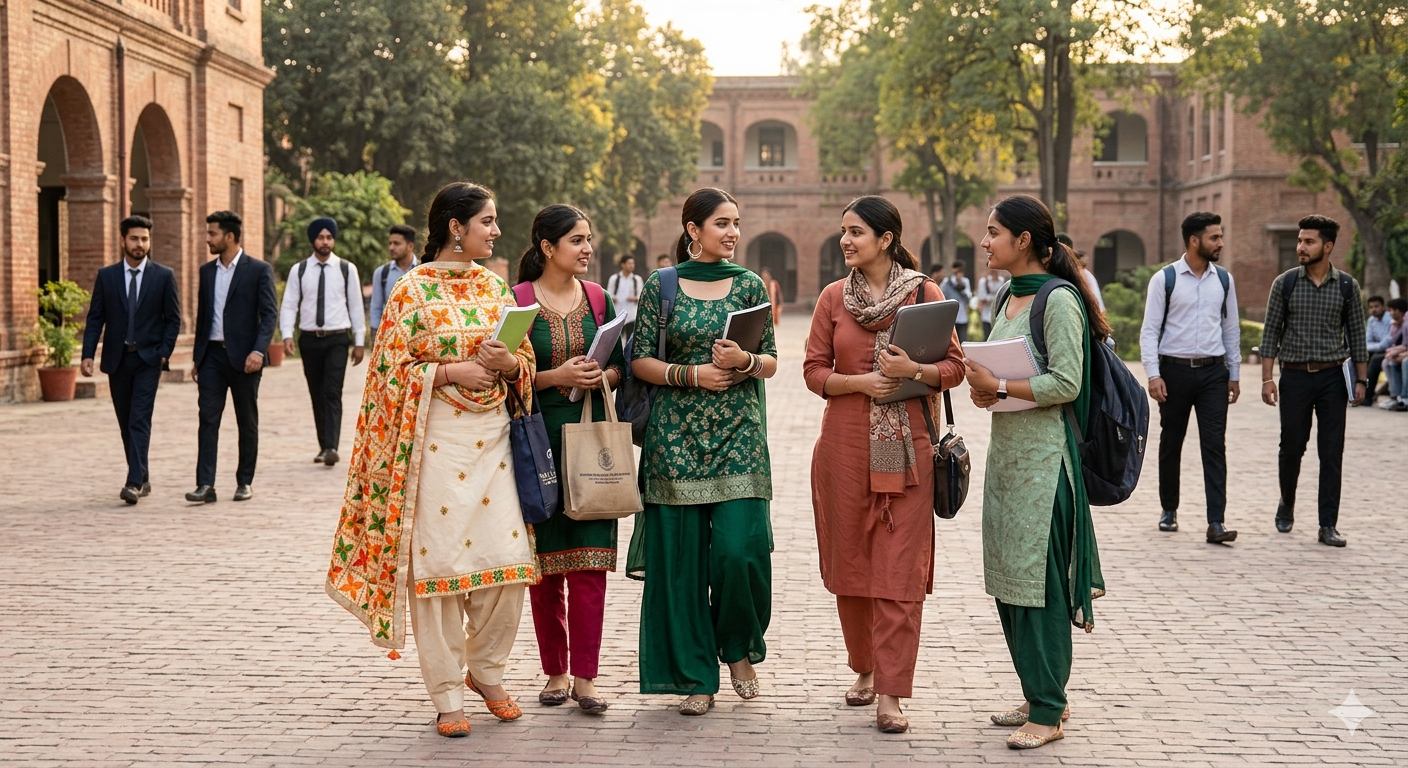
Drifting Away from Cultural Roots: In Punjab, this is a particularly sensitive issue. As students chase Western fashion trends, many are slowly moving away from their own beautiful cultural clothing — the phulkari dupatta, the patiala salwar, the kurta-pajama — which have deep roots in Punjabi heritage and identity.
Fashion and Punjabi Culture: Finding Common Ground
Punjab has one of the richest clothing traditions in all of South Asia. The vibrant colours, intricate embroidery, and distinctive styles of Punjabi dress are recognized and admired around the world. It would be a real shame if the next generation grew up without appreciating or wearing their own cultural clothing.
The good news is that modern fashion and cultural identity are not enemies. Many Punjabi designers today are blending traditional elements with contemporary styles — creating looks that are both trendy and rooted in heritage. Students can be a part of this movement by choosing clothes that celebrate who they are rather than erasing it.
How Students Can Strike the Right Balance
Fashion and education do not have to compete with each other. Here is how students can enjoy both without losing what matters most.
Put studies first: Fashion can be a hobby, but education should always be the priority. A good grade will open more doors than a good outfit ever will.
Spend wisely: There is nothing wrong with wanting to look nice, but it should not come at the cost of your family’s comfort. Learn to set a fashion budget and stick to it.
Develop your own style: Instead of copying others blindly, find a style that genuinely reflects your personality and background. Authenticity always looks better than imitation.
Celebrate your roots: Wear your Punjabi heritage with pride. Traditional clothing on cultural occasions is not old-fashioned — it is a statement of who you are.
The Role of Parents and Teachers
Parents and teachers play a huge role in shaping how students think about fashion. Rather than dismissing fashion as shallow or unimportant, adults should have open conversations with young people about its real-world implications. Schools can encourage dress codes that are respectful but not suffocating. Parents can teach children to value substance over appearance, without making them feel embarrassed for wanting to look presentable.
When both home and school work together to guide students, the negative effects of fashion obsession can be significantly reduced.
Conclusion
Fashion is a natural part of growing up, and there is nothing wrong with wanting to look your best. But for students, especially those in their formative years, it is important to keep a clear perspective on what fashion is — a tool for self-expression — and what it is not: a measure of your worth.
The real goal of student life is to build knowledge, develop character, and grow into a responsible human being. Fashion can walk alongside that journey, but it should never lead it. So wear what makes you feel confident, stay connected to your roots, and always remember — your mind is your greatest accessory.
About The Author