Why Fashion Archives Matter More Than Ever
NorthShore Timing Online Fashion Archives There’s something quietly powerful about looking back. In a world where trends cycle faster than seasons, the NorthShore Timing Online Fashion Archives offer something rare — a grounded, carefully curated lens into how style has moved, shifted, and reinvented itself over the decades.
Whether you’re a vintage clothing enthusiast, a professional stylist sourcing references, or simply someone who believes that great fashion never truly dies, this archive represents more than a digital collection. It’s a living record of cultural identity, personal expression, and the quiet art of dressing well.
This guide walks you through everything you need to know about the NorthShore Timing Online Fashion Archives — what makes them valuable, how to navigate them, and why they’ve become a trusted reference point for fashion lovers everywhere.
What Are the NorthShore Timing Online Fashion Archives?
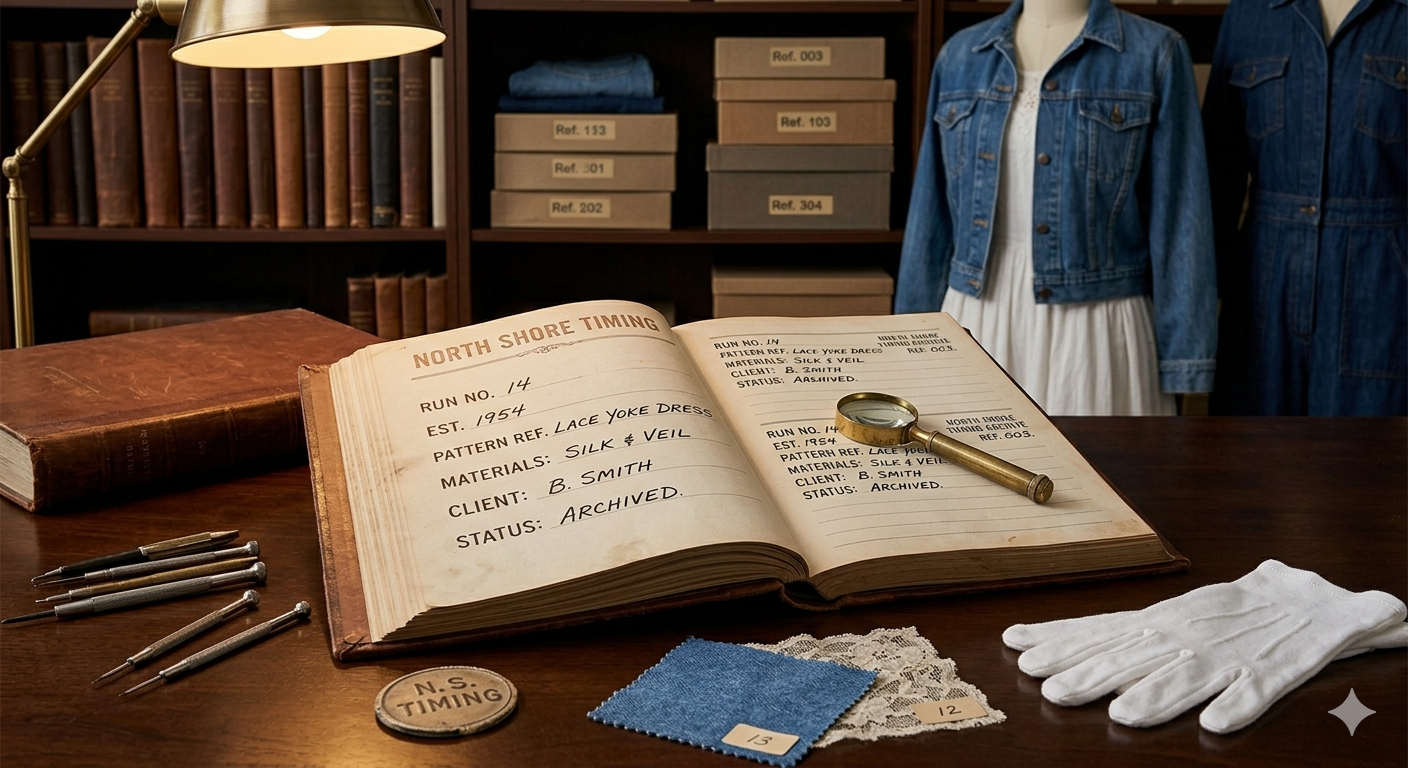
The NorthShore Timing Online Fashion Archives function as a curated digital repository of fashion history, documenting trends, silhouettes, fabrics, and styling philosophies from various eras. Unlike generic fashion databases, these archives are organized with precision — every entry is tagged by era, garment category, occasion, and influence.
Think of it as a well-organized attic belonging to someone with impeccable taste. You’ll find everything from structured mid-century tailoring to the fluid, earth-toned minimalism of the early 2000s, all presented in a way that’s easy to browse and genuinely informative.
What separates this archive from a basic image gallery is context. Each fashion entry comes with historical background, styling notes, and an explanation of why a particular look emerged when it did — connecting clothing to the cultural and social climate that shaped it.
Key Eras Documented in the Fashion Archives
1. The Golden Age of Tailoring (1940s–1960s)
This period remains one of the most referenced in contemporary fashion. The archives document the clean A-line silhouettes, nipped waists, and structured shoulders that defined women’s fashion in the postwar decades. For men, this era brought the rise of the slim-cut suit, double-breasted blazers, and sharp lapels that still influence modern menswear today.
The NorthShore Timing archive captures this era with particular attention to fabric choices — wool crepe, silk charmeuse, and cotton poplin feature heavily — giving modern readers a tactile sense of what these garments felt like to wear.
2. The Free-Spirited Seventies
Perhaps no decade is more misunderstood than the 1970s. Beyond the obvious flares and platform shoes, the archives reveal a decade of genuine experimentation: prairie dresses, wrap skirts, artisan jewelry, and an embrace of global textiles that was ahead of its time.
The documentation here is especially useful for stylists and designers who want to reference the decade without falling into caricature. The archive shows how everyday people, not just celebrities, actually dressed — a grounded perspective that’s hard to find elsewhere.
3. Power Dressing and the Eighties Aesthetic
The shoulder pad. The bold lip. The color-blocked blazer. The 1980s fashion archive entries are some of the most visually striking in the collection, and they serve as a reminder that this decade’s influence never fully left us. Designers still return to this era’s unapologetic confidence when they want to make a statement.
4. Nineties Minimalism and the Rise of Streetwear
Grunge, slip dresses, cargo pants, and the quiet revolution of streetwear — the 1990s archives are a goldmine. This section is particularly well-organized, tracing the parallel tracks of high fashion minimalism (think clean neutrals, sharp cuts) alongside the rise of casual, street-influenced dressing that would eventually reshape the entire industry.
5. Y2K and Early 2000s Revival
One of the most actively browsed sections of the NorthShore Timing Online Fashion Archives in recent years has been the early 2000s collection. As Y2K aesthetics continue their cyclical return — low-rise denim, butterfly clips, chunky sneakers, velour tracksuits — this archive has become essential reading for anyone trying to understand or recreate the era authentically.
How to Use the Archives for Personal Style Research
The archives aren’t just for historians or industry professionals. Here’s how everyday style lovers can put them to practical use:
Build a mood board with historical depth. Instead of pulling random images from Pinterest, use the archives to find cohesive era references. This gives your personal style a more deliberate, story-driven foundation.
Understand why a trend works. Knowing the cultural context behind a silhouette helps you wear it with more intention. For example, understanding that the oversized blazer emerged as a statement of professional equality changes how you might style one today.
Shop vintage more confidently. If you’re hunting at thrift stores or vintage markets, having archive knowledge means you can date a garment more accurately and understand its value — both monetary and stylistic.
The SEO Value of Fashion Archive Research
For bloggers, content creators, and fashion brands, the NorthShore Timing Online Fashion Archives serve another important purpose: they’re a rich source of original, historically grounded content.
In an age where AI-generated fashion content has flooded the internet, readers increasingly gravitate toward writing that feels researched, specific, and human. Archive-based content delivers exactly that. A post referencing specific garments, documented trends, and real historical context will consistently outperform generic trend roundups in search rankings — and, more importantly, it builds genuine reader trust.
Why Fashion Archives Deserve More Attention
Fashion archives are among the most underused resources in the style world. They offer the kind of depth, nuance, and authenticity that trend forecasting sites simply can’t replicate. The NorthShore Timing Online Fashion Archives, in particular, stand out for their organizational clarity and the quality of their contextual writing.
Whether you’re researching for a capsule wardrobe, writing fashion content, sourcing design inspiration, or simply indulging a love of style history, this archive rewards time spent with it.
Great fashion, it turns out, has always been about timing — knowing which ideas from the past are ready to resurface, and why now is the right moment. That’s precisely what the NorthShore Timing Online Fashion Archives help you understand.
About The Author