
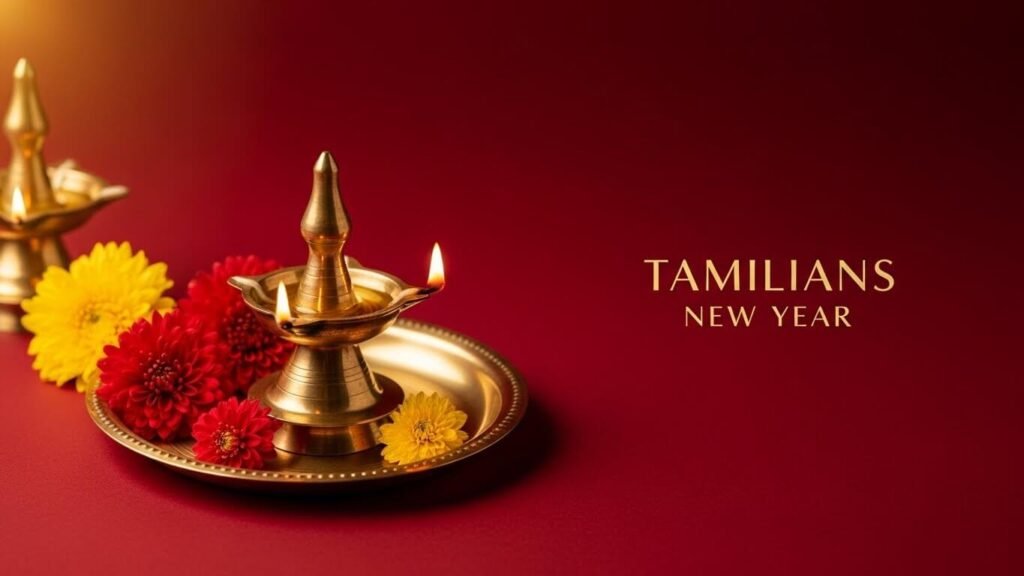
Tamilians New Year, also known as Tamil New Year or Puthandu, is one of the most important cultural festivals celebrated by Tamil people around the world. It marks the beginning of a new year according to the Tamil solar calendar and symbolizes fresh beginnings, hope, and prosperity. In 2026, Tamilians New Year will be celebrated in mid-April with traditional rituals, family gatherings, and cultural customs that have been followed for centuries. This festival is deeply rooted in Tamil heritage and reflects the values, beliefs, and lifestyle of Tamil communities.
What Is Tamilians New Year?
Tamilians New Year is the first day of the Tamil calendar month called Chithirai. It is widely known as Puthandu, Puthuvarudam, or Varusha Pirappu. On this day, Tamils welcome the new year with prayers, traditional food, and positive thoughts. The festival is not only about changing dates but also about renewing one’s life with good intentions, harmony, and spiritual balance. People believe that starting the year with pure thoughts and good actions brings happiness throughout the year.
When Is Tamilians New Year 2026 Celebrated?
Tamilians New Year 2026 will be observed on April 14, 2026. The date is determined by the sun’s transition into the Mesha (Aries) zodiac sign, known as Mesha Sankranti. Because it follows the solar calendar, the date usually remains the same every year, unlike lunar festivals. Many people begin the day early in the morning by taking a ritual bath and offering prayers at home or temples. The timing of the Sankranti moment is considered important, and families plan their rituals accordingly.
Historical Background of Tamil New Year
The history of Tamilians New Year goes back thousands of years and is closely connected to ancient Tamil civilization. References to the Tamil calendar can be found in classical Tamil literature and historical inscriptions. Traditionally, the festival was associated with agriculture, marking the beginning of a new seasonal cycle. According to belief, Lord Brahma started the creation of the universe on this day, which gives the festival a strong spiritual meaning. Over time, Tamil New Year became a symbol of cultural identity and unity among Tamils.
Cultural Significance of Tamilians New Year
Tamilians New Year holds great cultural importance because it represents renewal and positivity. It is a time when families come together, forget past hardships, and look forward to a better future. The festival highlights respect for elders, gratitude for nature, and faith in divine blessings. For Tamil communities living outside India, Puthandu is a way to stay connected to their roots and pass cultural values to the next generation. This deep emotional and cultural connection makes the festival more meaningful than just a calendar event.
Traditional Rituals and Customs Followed on Puthandu
Early Morning Rituals and Kanni Tradition
One of the most important customs of Tamilians New Year is viewing the Kanni, which means an auspicious first sight. Families arrange items such as fruits, rice, flowers, gold, mirrors, and religious images on a tray the night before. Seeing these items first thing in the morning is believed to bring prosperity and good luck throughout the year. This ritual reflects the belief that the first sight of the year influences the rest of it.
Temple Visits and Prayers
After completing household rituals, many families visit temples to offer prayers and seek blessings. Devotees pray for health, peace, and success in the coming year. Temples are often decorated, and special poojas are performed on this day. Spiritual devotion plays a key role in Tamil New Year celebrations and strengthens faith and inner peace.
Kolam and Home Decorations
Homes are cleaned and decorated with kolam, which are beautiful patterns drawn with rice flour at the entrance. Kolam designs symbolize happiness and welcome positive energy into the home. Wearing new clothes is also common, as it represents a fresh start and renewal of life.
Traditional Foods Prepared for Tamilians New Year
Food is an essential part of Tamil New Year celebrations. A traditional vegetarian feast is prepared, and every dish has symbolic meaning. One of the most important dishes is mango pachadi, which combines sweet, sour, bitter, and spicy flavors. This dish represents the different emotions of life and reminds people to accept all experiences with balance. Other popular foods include rice, sambar, vadai, payasam, and various vegetable dishes. Sharing meals with family strengthens relationships and adds joy to the celebration.
Tamilians New Year Celebrations Around the World
Tamilians New Year is not limited to Tamil Nadu alone. It is celebrated by Tamil communities in Sri Lanka, Malaysia, Singapore, Canada, the United Kingdom, and other parts of the world. Cultural programs, temple events, and community gatherings are organized to mark the occasion. These celebrations help preserve Tamil culture globally and allow younger generations to understand their traditions. The festival acts as a cultural bridge connecting Tamils across borders.
Tamil New Year Wishes and Greetings
Exchanging greetings is an important part of Tamilians New Year. People wish each other by saying “Puthandu Vazthukal” or “Happy Tamil New Year”. These greetings express hopes for happiness, success, and good health in the coming year. Sending messages and visiting relatives strengthens social bonds and spreads positivity.
Key Points to Remember About Tamilians New Year 2026
Tamilians New Year 2026 is more than just a festival. It is a celebration of culture, faith, and tradition that has been passed down through generations. From early morning rituals to festive meals and prayers, every aspect of Puthandu carries deep meaning. Understanding these traditions helps people appreciate the richness of Tamil heritage and the values it represents.
Why Tamilians New Year Still Matters Today
In today’s fast-paced world, festivals like Tamilians New Year remind people of their roots and cultural identity. It encourages reflection, gratitude, and hope for the future. Celebrating Puthandu helps preserve traditions and keeps cultural values alive, especially among younger generations. The festival teaches balance, respect, and the importance of starting anew with positive intentions.
FAQ About Tamilians New Year
What is Tamilians New Year?
Tamilians New Year, also known as Puthandu, is the traditional New Year celebrated by Tamils in Tamil Nadu and across the world. It marks the first day of the Chithirai month in the Tamil calendar, symbolizing new beginnings, prosperity, and happiness.
When is Tamilians New Year 2026?
In 2026, Tamilians New Year will be celebrated on April 14th. The day may vary slightly in different regions based on local sunrise times and astrological calculations.
Why do Tamilians celebrate Puthandu?
Puthandu is celebrated to honor the solar new year, marking the sun’s transition into the Aries (Mesha) zodiac sign. It is a festival that signifies growth, prosperity, and harmony in family and society.
What are the main rituals of Puthandu?
Key rituals include:
- Decorating homes with kolam (rangoli)
- Preparing the Kanni tray (auspicious first-sight items)
- Visiting temples and offering prayers
- Wearing new clothes and enjoying festive meals with family
What traditional foods are prepared on Tamilians New Year?
Some signature dishes include:
- Mangai Pachadi – a sweet-sour dish made from raw mango, jaggery, and neem
- Pongal, Payasam, Vadai, Sambar, and Rice – staple items for festive meals
These dishes symbolize the variety of life experiences and prosperity.
Conclusion
Tamilians New Year, or Puthandu 2026, is a festival rich in culture, tradition, and family values. From its historical significance to the beautiful rituals, delicious festive foods, and global celebrations, this day brings Tamils together in joy and harmony. Celebrating Puthandu is not just about marking a new year; it’s about renewal, prosperity, and cherishing cultural heritage. By understanding and practicing these traditions, everyone can experience the true essence of Tamilians New Year 2026, making it a memorable celebration for family and communities around the world.
About The Author