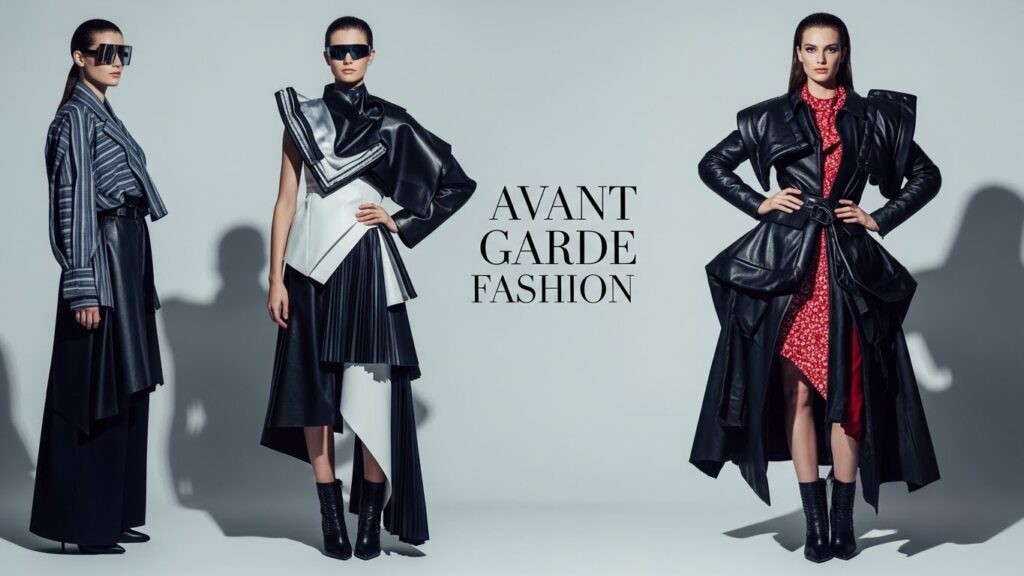
Avant garde fashion is not just a style; it is an art form that challenges traditional clothing norms. Unlike conventional fashion trends, avant-garde clothing is designed to provoke thought, inspire creativity, and push the boundaries of self-expression. Every piece tells a story, whether through unusual silhouettes, experimental materials, or conceptual design. This guide explores the meaning, history, designers, styling tips, and current trends in avant-garde fashion, giving you a complete view of this unique art-driven style.
What is Avant Garde Fashion?
Avant-garde fashion represents innovation, experimentation, and artistic expression. It goes beyond simple aesthetics to create garments that challenge the way we think about clothing. Designers of avant-garde fashion experiment with unusual proportions, raw textures, and bold constructions, often creating pieces that are as much art as they are clothing. Wearing avant-garde clothing is about expressing individuality and creativity, making a statement that goes beyond everyday fashion.
Definition and Meaning of Avant Garde Fashion
The meaning of avant-garde fashion lies in its ability to break rules and redefine style norms. It emphasizes originality and often tells a story through design. Whether it is an oversized coat with asymmetrical lines or a dress made from recycled materials, every piece communicates a concept. Avant-garde clothing is not just about what looks appealing; it is about creating a visual language that reflects artistic vision, cultural commentary, or social ideas.
Key Features of Avant Garde Clothing
Avant-garde clothing is often identified by its distinct features. Experimental silhouettes, asymmetrical shapes, and deconstructed garments are common. Designers frequently use unconventional materials such as metal, latex, or repurposed fabrics to challenge traditional textures. Colors can range from minimalist neutrals to bold contrasts, depending on the statement being made. Above all, avant-garde fashion prioritizes creativity and concept over conventional wearability, making each garment unique and thought-provoking.
Tip: If you want to try avant-garde fashion, start with one statement piece like an oversized jacket or sculptural accessory, and pair it with simple, neutral clothing. This balances boldness and wearability naturally.
History of Avant Garde Fashion
Avant-garde fashion has deep roots in art and culture, evolving from early 20th-century artistic movements such as surrealism, futurism, and abstract art. Designers began experimenting with clothing as a medium to express creativity and challenge societal norms. avant garde fashion became not just a means of dressing, but a form of artistic and cultural commentary.
Origins and Early Influences
In the early 1900s, designers took inspiration from avant garde fashion art, creating garments that were theatrical and unconventional. These early experiments laid the foundation for modern avant-garde fashion, emphasizing innovation, rebellion, and creativity. Artists and designers alike sought to question beauty standards, playing with structure, form, and presentation.
Modern Avant Garde Fashion
Today, modern avant-garde fashion trends continue to push boundaries. Designers like Comme des Garçons, Yohji Yamamoto, Alexander McQueen, and Maison Margiela have redefined clothing through bold silhouettes, unique textures, and conceptual designs. Modern avant-garde fashion also embraces technology and sustainability, integrating digital fabrication, 3D printing, and eco-friendly materials into wearable art.
Evolution Through Decades
From the 1960s through the 1980s, avant-garde fashion was marked by abstract patterns, deconstruction, and oversized shapes. The 1990s and 2000s introduced technology-driven experimentation and sustainable design practices. Today, avant-garde fashion influences streetwear, wearable designs, and digital innovation, making bold artistic ideas more accessible to a wider audience.
Iconic Avant Garde Designers and Brands
Pioneers of Avant Garde Fashion
Some of the most influential avant-garde designers include Rei Kawakubo, founder of Comme des Garçons, whose radical silhouettes continue to inspire innovation; Yohji Yamamoto, blending Japanese minimalism with deconstructed designs; and Alexander McQueen, whose runway shows were theatrical displays of art and fashion. These pioneers established avant-garde fashion as a serious, boundary-pushing creative force.
Contemporary Innovators
Contemporary designers continue to innovate. Iris van Herpen integrates 3D printing and futuristic materials, while Maison Margiela experiments with deconstruction and visual storytelling. Additionally, emerging designers from around the world are redefining avant-garde fashion, incorporating cultural elements, modern materials, and technological advancements to create fresh, unique interpretations.
How to Wear Avant Garde Fashion:
Styling Avant Garde Clothing for Everyday Wear
How to wear avant-garde fashion is easier than it seems. You don’t need to wear extreme runway pieces daily. By mixing one statement item, like an oversized or asymmetrical garment, with neutral basics, you can incorporate avant-garde elements into everyday outfits. The key is to balance creativity with practicality so the look feels both bold and wearable.
Avant Garde Accessories and Footwear
Accessories play a significant role in avant-garde style. Sculptural shoes, statement belts, or unique jewelry can complement or enhance avant-garde outfits. The balance between boldness and simplicity is essential: if your outfit is elaborate, keep accessories minimal, and vice versa. This approach ensures your look remains stylish without appearing chaotic.
Tip: Begin with subtle avant-garde accessories like a sculptural bag or geometric jewelry to add artistic flair without overwhelming your outfit.
Avant Garde Fashion Trends Today
Sustainable and Tech-Driven Designs
Modern avant-garde fashion increasingly emphasizes sustainability and technological innovation. Designers are creating garments from eco-friendly materials, experimenting with digital fabrication, and exploring 3D-printed designs. These innovations allow avant-garde fashion to remain cutting-edge while addressing environmental concerns.
Gender-Neutral and Inclusive Avant Garde Fashion
Avant-garde fashion has embraced gender fluidity and inclusivity, offering unisex designs and challenging traditional norms. This shift reflects the modern movement toward personal expression over societal expectations, allowing individuals to wear what resonates with their identity.
Global Influence and Local Adaptations
Avant-garde fashion has spread beyond Western countries, inspiring designers worldwide. Local textiles, cultural heritage, and traditional craftsmanship are being incorporated into avant-garde designs, creating a fusion of global creativity and regional identity.
Why Avant Garde Fashion Matters
Avant-garde fashion is a cultural and artistic statement. It challenges societal standards, questions traditional ideas of beauty, and inspires both designers and wearers to explore creativity. Even if some pieces are not intended for daily wear, avant-garde influences can be seen in mainstream fashion through silhouettes, materials, and styling concepts. By embracing avant-garde fashion, you participate in a conversation about art, identity, and innovation.
FAQs About Avant Garde Fashion
What is avant-garde fashion?
Avant-garde fashion is a creative and experimental style that challenges conventional norms and explores artistic expression.
How is avant-garde fashion different from high fashion?
High fashion emphasizes luxury and wearability, while avant-garde focuses on concept, experimentation, and artistic innovation.
Who are the top avant-garde fashion designers?
Notable designers include Rei Kawakubo, Yohji Yamamoto, Alexander McQueen, Iris van Herpen, and Maison Margiela.
Can avant-garde fashion be worn daily?
Yes. By pairing statement pieces with neutral basics, avant-garde style can be adapted for everyday wear.
What are the key features of avant-garde clothing?
Experimental silhouettes, unconventional materials, asymmetry, and conceptual storytelling define avant-garde fashion.
Conclusion
Avant-garde fashion is a daring blend of art, culture, and self-expression. Its history, from early artistic movements to modern sustainable and tech-driven designs, shows how clothing can be more than functional—it can be a statement, a story, or a work of art. Incorporating avant-garde elements into your wardrobe encourages creativity, individuality, and a fearless approach to style. Whether as a designer, stylist, or fashion enthusiast, embracing avant-garde fashion is about celebrating innovation and wearing ideas, not just clothes.
About The Author